



Condensation on windows forms when warm, moisture-laden air meets a colder surface. The most effective way to reduce it is to control indoor humidity, improve ventilation and keep temperatures relatively stable.
In England, 31% of households reported a problem with condensation, damp or mould in 2024-25. Condensation often becomes more noticeable as temperatures fall during autumn and winter, so understanding the cause can help you keep it under control before moisture begins to build up.
Improve ventilation, reduce excess moisture and keep your home at a relatively consistent temperature. Keep trickle vents open, use extractor fans when cooking or showering, avoid drying clothes in poorly ventilated rooms and wipe away standing water. If condensation is trapped between the panes rather than sitting on the glass surface, the sealed glazing unit may have failed and could need replacing.
In this article, we will cover:
- What condensation is and what causes it.
- The three main types of window condensation.
- How to stop condensation on windows.
- The difference between condensation and damp.
- The damage persistent condensation can cause.
- When condensation may indicate a problem with your glazing.
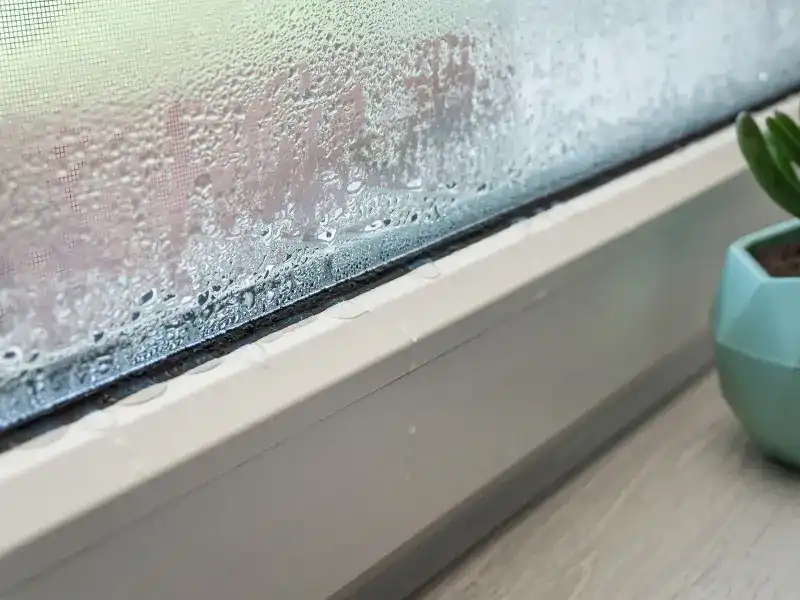
What Causes Condensation on Windows?
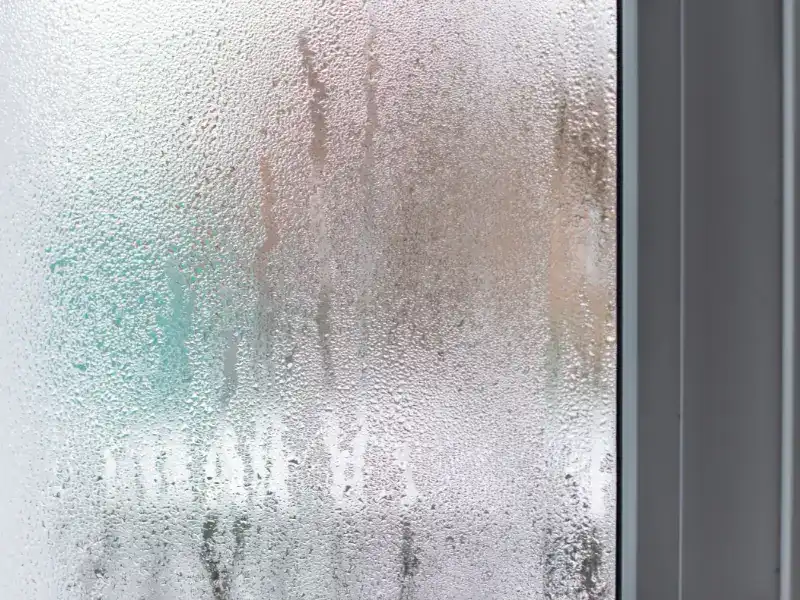
Condensation happens when moisture in the air transforms into visible water droplets. It occurs as warm air encounters cold surfaces, such as walls, doors and windows.
Day to day, you may notice this when you are:
- Having a shower and the bathroom mirror steams up.
- Drying clothes and notice moisture on the window.
- Cooking and cannot see out of your kitchen window.
These are examples of normal activities that produce moisture throughout the day. You also release moisture while sleeping, which is one reason condensation is often particularly noticeable on bedroom windows in the morning.
Some of the most common sources of excess moisture include:
- Boiling water, for example in pans and kettles.
- Washing machines and tumble dryers.
- Large houseplants.
- Wet logs, including those stored for wood burners.
- Unidentified water leaks.
- Existing damp.
In some homes, moisture can also collect behind curtains, blinds, fitted wardrobes and furniture where air circulation is limited. This can happen in any property, but it may become more noticeable in highly insulated, airtight homes if ventilation is insufficient.
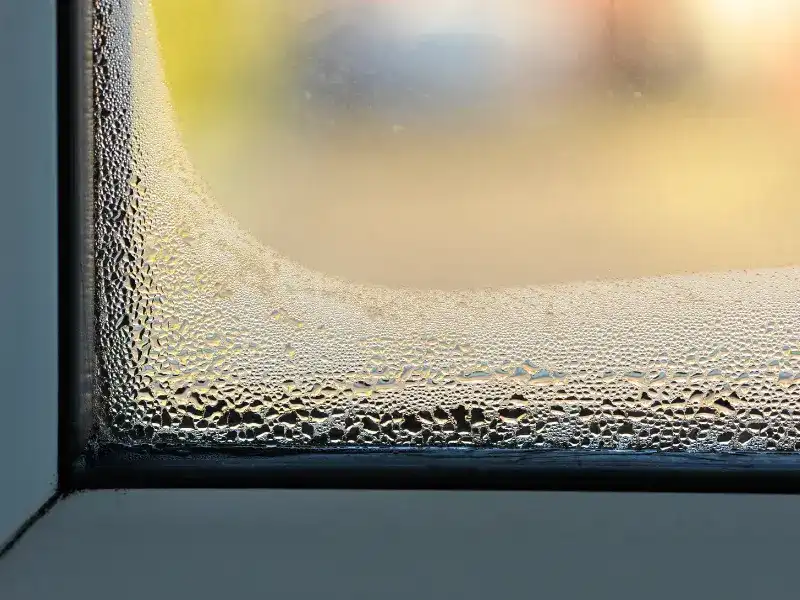
Where Is the Condensation on Your Window?
There are three main places window condensation can appear: on the inside surface, on the outside surface, or between the panes. Identifying where the moisture is forming is one of the quickest ways to understand the likely cause and the most appropriate solution.
| Where is it? | What does it usually mean? | What should you do? |
|---|---|---|
| Inside the room-facing pane | Usually linked to indoor humidity, limited ventilation, and a cold glass surface. | Improve ventilation, reduce moisture, and keep temperatures more stable. |
| Outside the window | Usually natural external condensation or dew on a well-insulated outer pane. | Normally, no action is required if it clears as conditions change. |
| Between the panes | May indicate failure of the sealed glazing unit. | The sealed glass unit may need replacing. |
Condensation on the Inside of the Window
The most common type of window condensation is found on the inside of the window. This is what you are most likely to see in your bedroom, bathroom and kitchen in the morning. It usually happens because of a combination of factors, including:
- Humidity indoors.
- Poor ventilation.
- Cold window surfaces.
- Showering.
- Cooking.
- Drying clothes indoors.
This type of condensation does not usually indicate a fault with the window itself. It is more often a sign that warm, moisture-rich air is meeting a cold surface. Improving ventilation and reducing indoor moisture are the first steps. Better-performing glazing can also help as a longer-term measure because the room-side surface of the glass stays warmer.
Condensation on the Outside of the Window
Condensation on the outside of your window is generally nothing to worry about. It can form when the external pane is colder than the surrounding outdoor air and moisture in that air condenses on the glass.
This can be a sign that insulated glazing is limiting heat transfer from inside the home to the external pane. If the moisture clears as the sun rises or outdoor conditions change, it will usually require no action.
Condensation Between the Window Panes
There is an important distinction between condensation on the glass surface and misting that appears inside a double or triple-glazed unit. Insulated glass units contain a sealed cavity between the panes, which may be filled with an insulating gas such as argon. Persistent moisture or misting within that cavity can indicate that the seal has failed.
Condensation between the panes cannot be wiped away from either side. In many cases, the sealed glass unit can be replaced without replacing the whole window.
If you are deciding whether to replace the glazing or the complete window, consider the age and overall condition of the existing frame, hardware and seals. Replacing only the glass can make sense where the rest of the window is still in good condition.
How to Prevent Condensation on Windows
To reduce condensation on your windows, focus first on ventilation, moisture control and stable indoor temperatures. Longer-term improvements to windows, doors and other areas of the building fabric can also help keep internal surfaces warmer and reduce the conditions in which condensation forms.
1. Improve Ventilation
Improving ventilation does not always require a major investment. Some of the easiest steps you can take are to:
- Open windows for short periods to refresh the air, particularly after bathing, showering or cooking.
- Use extractor fans in bathrooms and kitchens and keep them running long enough to clear moisture.
- Keep trickle vents open where fitted.
- Clean air vents and air bricks so they are not blocked.
- Keep internal doors closed when producing large amounts of steam in kitchens and bathrooms.
- Allow air to circulate around bedrooms and other rooms where condensation regularly forms.
If condensation remains persistent despite these steps, a suitable mechanical ventilation system may help improve air exchange. Depending on the property, options can include intermittent extract ventilation, mechanical extract ventilation, positive input ventilation or mechanical ventilation with heat recovery.
2. Reduce Moisture at the Source
Reducing the amount of moisture released into the air can make a significant difference.
Practical steps include:
- If you use a vented tumble dryer, make sure it is properly vented outside.
- Move furniture slightly away from external walls to improve air circulation.
- Dry clothes outside where possible, or in a well-ventilated room.
- Avoid drying large amounts of wet clothing directly on radiators in poorly ventilated rooms.
- Use pan lids when cooking to reduce the amount of steam released into the room.
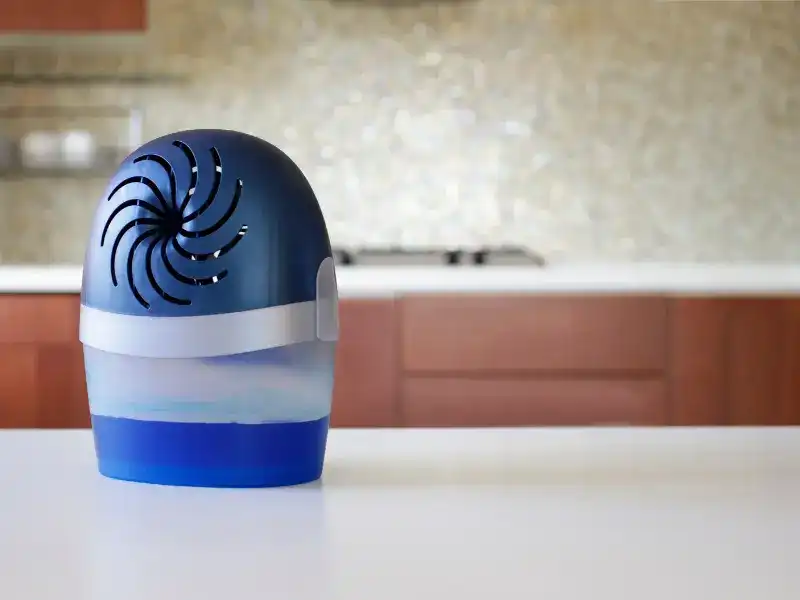
3. Use a Dehumidifier Where Needed
A dehumidifier can help reduce excess moisture in the air, particularly in rooms where clothes are dried indoors or ventilation is limited. Refrigerant models generally perform well in warmer rooms, while desiccant models can be more suitable for colder spaces.
Dehumidifiers work best alongside good ventilation and moisture control rather than as the only solution to recurring condensation.
4. Keep Your Home at a Stable Temperature
Cold surfaces encourage condensation, so keeping indoor temperatures reasonably steady can help. Gradually and consistently heating a room is generally more effective than allowing it to become very cold and then heating it rapidly.
Programmable thermostats and smart heating controls can make it easier to maintain more consistent temperatures. Other measures that can help keep internal surfaces warmer include:
- Thermal curtains.
- Radiator reflector panels.
- Insulated doors.
- Double or triple glazing.
- Cavity wall and loft insulation.
When condensation forms, wipe it away rather than allowing water to sit on the glass, cill or surrounding surfaces. A microfibre cloth or window vacuum can help remove standing moisture, particularly where condensation forms overnight.
Removing the water will not solve the underlying cause, but it can help prevent prolonged dampness while you address ventilation, humidity or temperature issues.
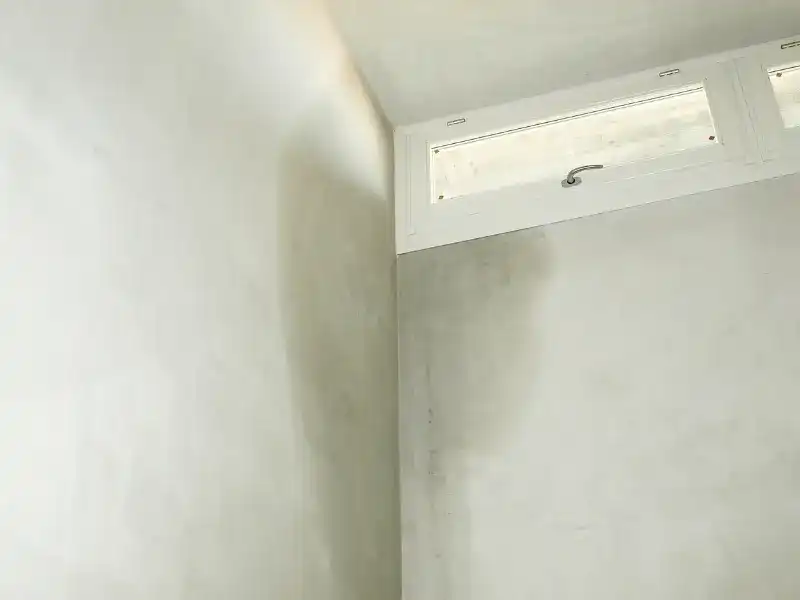
6. Check for Underlying Damp
If condensation remains persistent after improving ventilation, reducing moisture and maintaining more stable temperatures, check whether another source of damp is increasing humidity in the property. Possible causes include:
- Roof or plumbing leaks.
- Faulty or overflowing gutters.
- Water entering through external walls or collecting within wall cavities.
- Problems with damp-proof courses, pointing or rendering.
- Rising or penetrating damp.
If there are clear signs of damp but the cause is not obvious, a professional inspection can help identify the source before further damage develops.
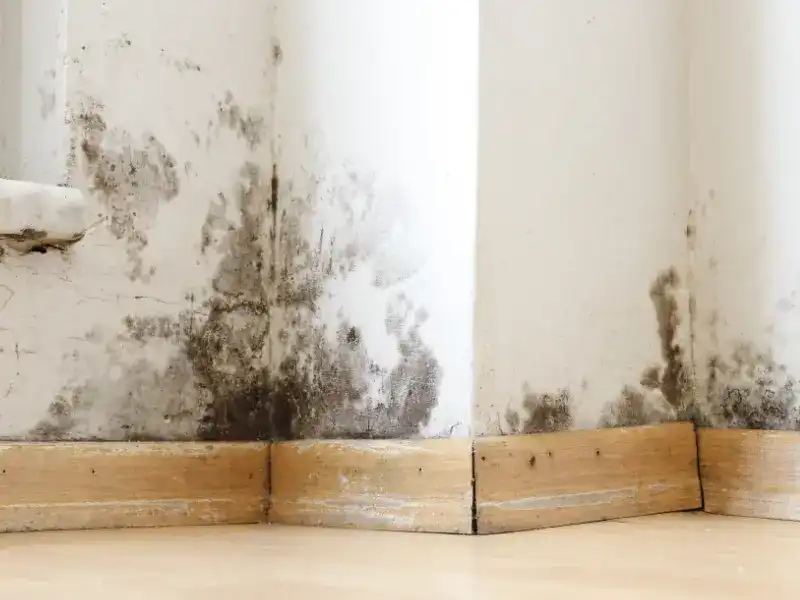
7. Remove Any Mould You Find
Persistent condensation creates damp surfaces where mould can develop and spread. If you find mould:
- Use a suitable mould and mildew treatment on affected hard surfaces, following the manufacturer's instructions.
- Clean and dry affected surfaces thoroughly.
- Wash soft furnishings where appropriate.
- Dispose of items that cannot be cleaned safely.
- Address the underlying moisture and ventilation problem to reduce the chance of mould returning.
If mould repeatedly returns despite cleaning and moisture-control measures, seek professional advice to identify the underlying cause.
8. Improve Your Window Insulation
Improving the thermal performance of your windows can reduce the likelihood of internal condensation because the room-side pane stays warmer. Double and triple glazing use a sealed insulating cavity between the panes to reduce heat transfer and help maintain a warmer internal glass surface.
Window upgrades work best alongside good ventilation and moisture control. New glazing can reduce cold surfaces, but it does not remove the moisture being generated inside your home.
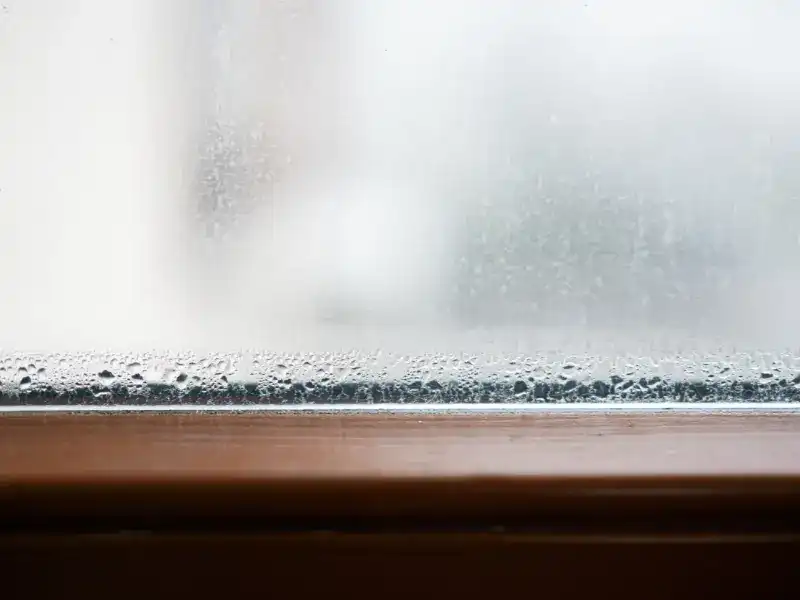
What Is the Difference Between Condensation and Damp?
Condensation is one form of damp caused when moisture in the air condenses on colder surfaces. Rising and penetrating damp are different problems and are usually associated with moisture entering the building through the structure or from another defect.
Possible causes of structural damp include:
- Damaged or decayed rendering or pointing.
- Failing or deteriorating damp-proof courses.
- Leaking gutters.
- Roof faults.
- Plumbing issues.
- Water entering external walls.
- Debris within wall cavities retaining water.
Signs can include patches on walls or ceilings, flaking plaster, peeling wallpaper, musty smells or recurring mould growth. Reducing condensation will not resolve rising or penetrating damp if there is an underlying building defect.
If you cannot identify the source of persistent damp yourself, a professional assessment is the safest way to determine the cause.
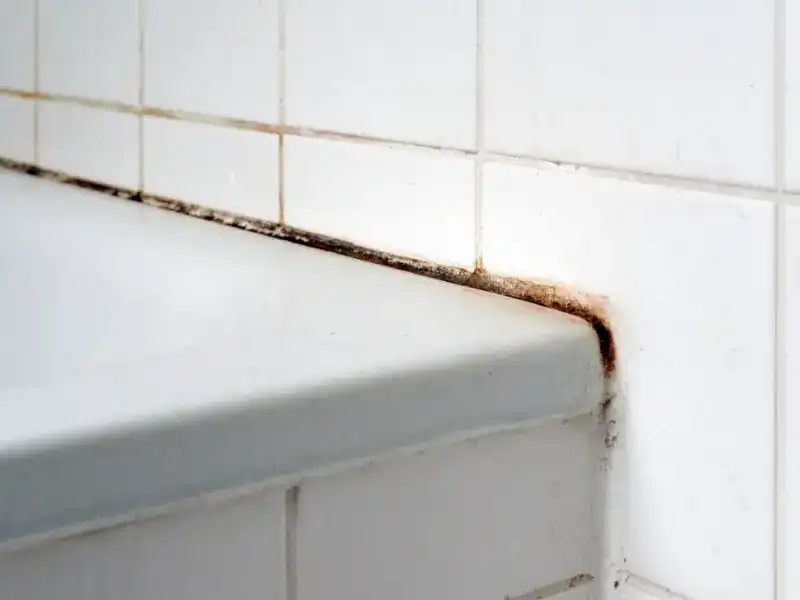
What Damage Can Condensation Cause?
If condensation is allowed to build up repeatedly, it can contribute to problems such as:
- Mould and mildew on window frames, cills and nearby walls.
- Peeling paint and wallpaper.
- Damp patches.
- Decay in timber window frames and other moisture-sensitive materials.
- Deterioration of surrounding sealants and decorative finishes.
- Limescale or staining where standing water regularly collects.
UPVC itself is highly resistant to moisture, but persistent standing water can still encourage mould and may affect surrounding sealants, hardware and decorative finishes over time.
Recurring mould should also be dealt with promptly. Cleaning the visible mould is only part of the solution; reducing the moisture that allows it to return is equally important.
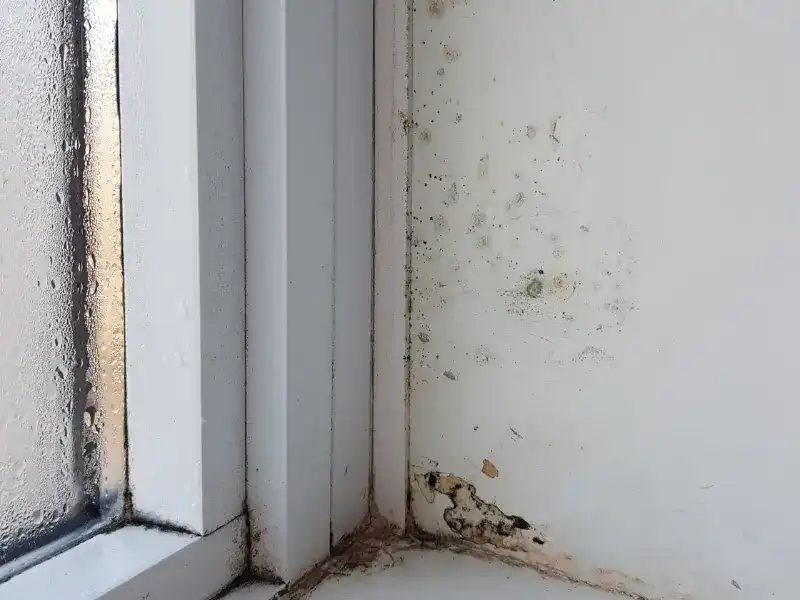
Is Condensation Worse in Energy-Efficient Homes?
Condensation is not necessarily worse in energy-efficient homes. However, highly effective insulation and airtightness reduce uncontrolled air leakage, so adequate ventilation becomes increasingly important. Without sufficient air exchange, moisture generated inside the home can accumulate and make condensation more noticeable.
Ventilation options can include:
- Mechanical ventilation with heat recovery systems.
- Mechanical extract ventilation systems.
- Positive input ventilation systems.
- Trickle vents and background vents.
- Intermittent extractor fans, particularly in kitchens and bathrooms.
- Air bricks.
The right approach depends on the property and the severity of the moisture problem, but the principle is the same: better insulation should be paired with appropriate ventilation.
Are Some Windows More Susceptible to Condensation?
Yes. Single glazing and older or non-thermally broken aluminium frames can be more susceptible to internal condensation because their room-side surfaces can become colder.
Single-glazed windows provide less thermal insulation, so the inner glass surface can cool more quickly when outdoor temperatures fall. This makes condensation more likely when indoor humidity is high.
Aluminium is highly thermally conductive, but modern aluminium windows commonly use thermal breaks to reduce heat transfer. The likelihood of condensation therefore depends on the age, design and thermal performance of the window, as well as indoor humidity and ventilation.
Condensation Between the Panes: Does the Glass Need Replacing?
If you are seeing persistent misting or condensation trapped between the panes, the sealed glazing unit may have failed. Once moisture enters the sealed cavity, it cannot be wiped away from the inside or outside surface.
In many cases, the glass unit can be replaced without replacing the complete window. If the frame, hardware or seals are also ageing or performing poorly, replacing the full window may be the better long-term option.
Modern UPVC Windows manufactures and supplies made-to-measure windows and doors for customers across the UK. You can order complete window units in a range of styles, configurations, colours and glazing options, or replacement glass units if the existing frame is still in good condition.
Replacement glazing is available in several options, including:
- Standard double glazing.
- Triple glazing.
- Toughened.
- Laminated.
- Acoustic toughened.
Use our online designer to customise your new windows and get an instant price. If you are unsure whether you need replacement glazing or a complete new window, our team can help you assess the most suitable option.





Over 12383 great independent reviews