



Choosing between double and triple glazing is not simply a case of deciding which has more panes of glass.
Triple glazing generally offers better thermal performance, while double glazing usually costs less, weighs less and remains more than suitable for many UK homes. The right choice depends on your property, budget, location and the level of performance you want from your windows.
In this guide, we compare triple vs double glazing in detail, including thermal efficiency, sound insulation, cost, weight and other practical considerations, to help you decide which option is right for your home.
Double vs Triple Glazing: Direct Comparison
| Feature | Double Glazing | Triple Glazing |
|---|---|---|
| Thermal Performance | Standard double-glazed units commonly achieve Ug-values of around 1.2 to 1.4 W/m²K. For example, if your home is 21°C and it is 0°C outside, the internal centre-glass surface temperature would be approximately 17°C to 18°C. |
High-performance units can achieve Ug-values of around 0.7 W/m²K. If your home is 21°C and it is 0°C outside, the internal centre-glass temperature would be approximately 19°C. |
| Weight | Standard double-glazed panes weigh approximately 20 kg/m² and do not usually require reinforced profiles. | Standard triple-glazed panes weigh approximately 30 kg/m² and may require stronger or reinforced profiles. |
| Acoustic Performance | Standard double glazing can typically reduce sound by around 30 to 35 dB, with specialist glass configurations performing better | Standard triple glazing can offer similar acoustic performance to double glazing. The overall result depends more on factors such as glass thickness, cavity width and glass configuration than on the number of panes alone. |
| Security | Provides strong security when combined with robust frames, suitable glass and multi-point locking systems. | Provides strong security when combined with robust frames, suitable glass and multi-point locking systems. |
| Light Levels | Double glazing typically allows slightly more natural light through than triple glazing, although the difference depends on the glass specification and coatings used. | The additional pane in triple glazing can slightly reduce light transmission, although the difference may be difficult to notice in practice. |
| Installation Cost | Standard double-glazed UPVC windows typically cost from around £500 per window for supply and installation, although prices vary considerably depending on size, style and specification. | Triple-glazed UPVC windows typically cost around £750 to £1,200 per window for supply and installation, depending on size, style and specification. |
| Highest Energy Rating | High-performance units can commonly achieve ratings around A or A+. | High-performance units can achieve ratings up to A++ (best possible energy rating). |
| Solar Gain | G-values vary according to glass specification and coatings. | G-values can be lower, depending on the specification, reducing the amount of solar heat entering the property. |
The key difference is thermal performance. Triple glazing can achieve substantially lower U-values, which means less heat passes through the window.
However, that does not automatically make it the best choice for every property.
What is the Difference Between Double and Triple Glazing?
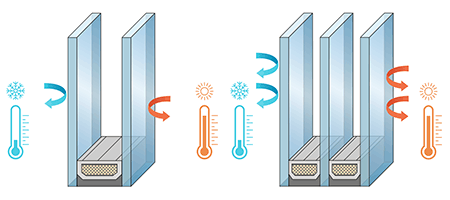
The most obvious difference between double and triple glazing is the number of panes.
- Double glazing uses two panes of glass, creating one sealed cavity between them.
- Triple glazing uses three panes of glass, creating two sealed cavities.
These cavities are normally filled with air or an inert gas to reduce heat transfer.
The additional pane and cavity give triple glazing the potential to provide better thermal insulation. However, the overall performance of a window also depends on factors such as the glass specification, coatings, cavity width, spacer bars, seals and frame. Acoustic performance, in particular, depends more on the glass build-up and specification than on the number of panes alone.
How Does Double Glazing Work?
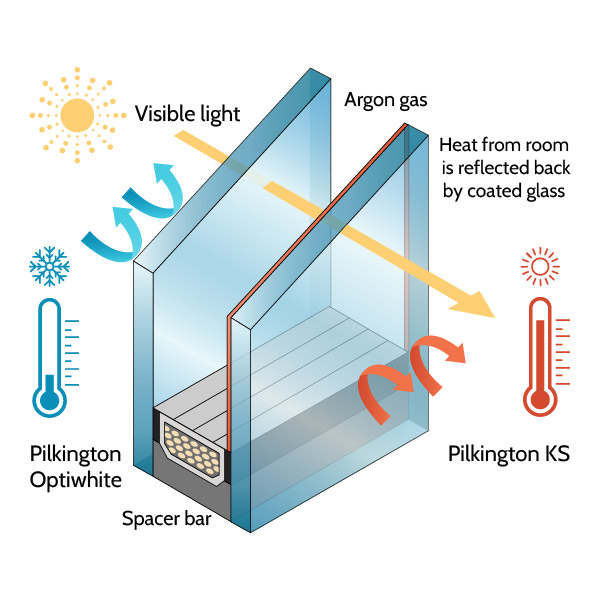
Double glazing uses two panes of glass separated by a gap commonly measuring between 12 mm and 16 mm.
Spacer bars hold the panes apart, while the cavity is filled with dry air or an inert gas such as argon. Because these gases conduct heat relatively poorly, they help slow the transfer of heat through the window.
The narrow cavity also limits the movement of gas between the panes, further reducing heat transfer.
As well as improving thermal insulation, the two panes and sealed cavity help reduce the amount of external sound entering your home.
Modern double glazing can therefore provide a strong combination of:
- Thermal efficiency
- Sound insulation
- Security
- Affordability
- Ease of installation
How Does Triple Glazing Work?
Triple glazing adds a third pane of glass, creating two separate cavities rather than one.
These cavities are typically between 10 mm and 16 mm wide and can be filled with inert gases such as argon.
Triple-glazed units may also incorporate warm-edge spacer bars, airtight seals and Low-E coatings to further reduce heat loss.
Together, these components can enable triple glazing to achieve lower U-values than conventional double glazing.
This can be particularly useful in properties where maximum thermal efficiency and indoor comfort are priorities.

Is Triple Glazing Better Than Double Glazing?
Triple glazing generally offers better thermal performance than standard double glazing, but it is not always the best-value option.
Modern double glazing can still provide excellent insulation, especially when combined with Low-E glass, warm-edge spacers, suitable gas fills and high-quality frames.
When choosing between the two, consider your climate, property efficiency, window orientation, budget and desired level of comfort.
For most UK homes, high-quality double glazing offers a strong balance of cost and performance. Triple glazing is better suited to highly insulated properties or projects where reducing heat loss and maximising thermal comfort are priorities.
What is VIG Double Glazing?
Vacuum Insulated Glazing, or VIG, is a specialist form of double glazing that uses two panes of glass separated by an ultra-thin vacuum cavity, typically around 0.3 mm.
Because it is much thinner than conventional double or triple glazing, VIG is particularly useful for period and heritage properties with frames designed for single glazing.
Despite its slim profile, some VIG products can achieve U-values of around 0.7 W/m²K, allowing them to rival the thermal performance of some triple-glazed units.
VIG is a premium option and is best suited to:
- Period and heritage properties
- Frames that cannot accommodate thicker glazing
- Projects requiring high thermal performance in a slim unit
- Properties where retaining the existing frames is important
For most homes, standard double or triple glazing remains the more practical choice.
Does Triple Glazing Reduce Noise Better Than Double Glazing?
Not always. Standard double glazing typically reduces sound by around 30 to 35 dB, while triple glazing can offer similar or slightly better performance depending on its construction.
Noise reduction depends on more than the number of panes. Glass thickness, cavity width, laminated glass and the overall glazing specification all play an important role.
If sound insulation is your priority, compare the acoustic rating of the specific window rather than assuming triple glazing will automatically perform better.
Can You Make Standard Double Glazing More Energy Efficient?
Yes. Depending on the condition and construction of your existing windows, there may be ways to improve their performance without replacing every part of the window.
Many suppliers, including Modern UPVC Windows, can supply individual sealed glass units, allowing you to replace the glazing while retaining a suitable existing frame.
- Replacing older panes with Low-E glass to help reflect heat back into the room
- Choosing a more efficient gas-filled sealed unit where suitable
- Using insulating warm-edge spacer bars
- Replacing worn seals and gaskets
- Upgrading the glass specification to improve thermal or acoustic performance
Whether these upgrades are practical will depend on the age, condition and design of the existing window.
What Glazing Options Are Available?
There is a range of glazing options available beyond simply choosing between double and triple glazing. Different glass specifications can be selected depending on the requirements of the property, including considerations such as thermal efficiency, safety, security and noise reduction.
Options can include standard, toughened, laminated and acoustic glass, as well as different coatings and glazing configurations. The most suitable choice will depend on factors such as where the window is being installed, the level of performance required and the overall window specification.
Modern UPVC Windows offers a range of glazing options across its made-to-measure windows, allowing you to select a specification that suits your property, priorities and budget.
Double or Triple Glazing: Which Should You Choose?
You should get double glazing if:
- You live in a temperate climate such as much of the UK
- You are replacing older windows in a typical residential property
- You want to improve energy efficiency without paying the premium for triple glazing
- You have a limited renovation budget
- Lower weight and straightforward installation are priorities
Modern double glazing combines good thermal performance with a lower upfront cost, wide availability and a broad choice of glass specifications.
For many homeowners, it provides the most practical balance.
You should get triple glazing if:
- You live in a particularly cold area
- You are building a highly insulated or high-performance home
- Achieving the lowest possible U-value is a priority
- You want to maximise internal surface temperatures and thermal comfort
- The additional upfront cost fits your project budget
Triple glazing's principal advantage is its improved thermal insulation.
Whether that improvement represents good value will depend on the property and the specification you are comparing it against.
So, Is Triple Glazing Worth It?
For most UK homeowners, the decision comes down to balancing additional thermal performance against additional cost.
A high-quality modern double-glazed window can provide excellent energy efficiency and is likely to be sufficient for many conventional homes.
Triple glazing becomes more compelling where maximum thermal comfort is important, particularly in highly insulated new builds, colder locations and properties designed around very low heat loss.
Rather than choosing based solely on the number of panes, compare the U-value, energy rating, glass specification, frame and overall cost of each window.
That will give you a much clearer indication of which option offers better value for your property.
Looking for a Window Supplier in the UK?
Once you know the level of performance you need, the next step is choosing a window specification that suits your property, style and budget.
Modern UPVC Windows has more than 30 years of experience manufacturing and supplying bespoke windows and doors in the UK.
Our made-to-measure windows are manufactured in our purpose-built Midlands factory and can be produced to suit a wide range of specifications. We also supply custom-sized glass units, providing an option for customers who want to replace or upgrade the glazing while retaining suitable existing window frames.
Using our online window designer, you can choose from:
- A wide range of colour options, including bespoke RAL colours
- A selection of window and door styles
- Multiple configurations
- Different glazing options
Enter your measurements into the designer and you can receive an instant price without waiting for a callback.
Once you are happy with your specification, you can order online and choose from delivery, collection direct from our factory, or professional installation, available throughout the Midlands.
Whether you are considering standard double glazing, higher-performance glass or triple glazing, we can help you choose a window specification that balances performance, appearance and budget.





Over 12383 great independent reviews